An operating model is easy to draw and hard to build. Organisation charts and capability maps look tidy on a slide, but the real model is found in how work flows between teams, who can make which decisions, and which systems people actually use. We design for that reality.
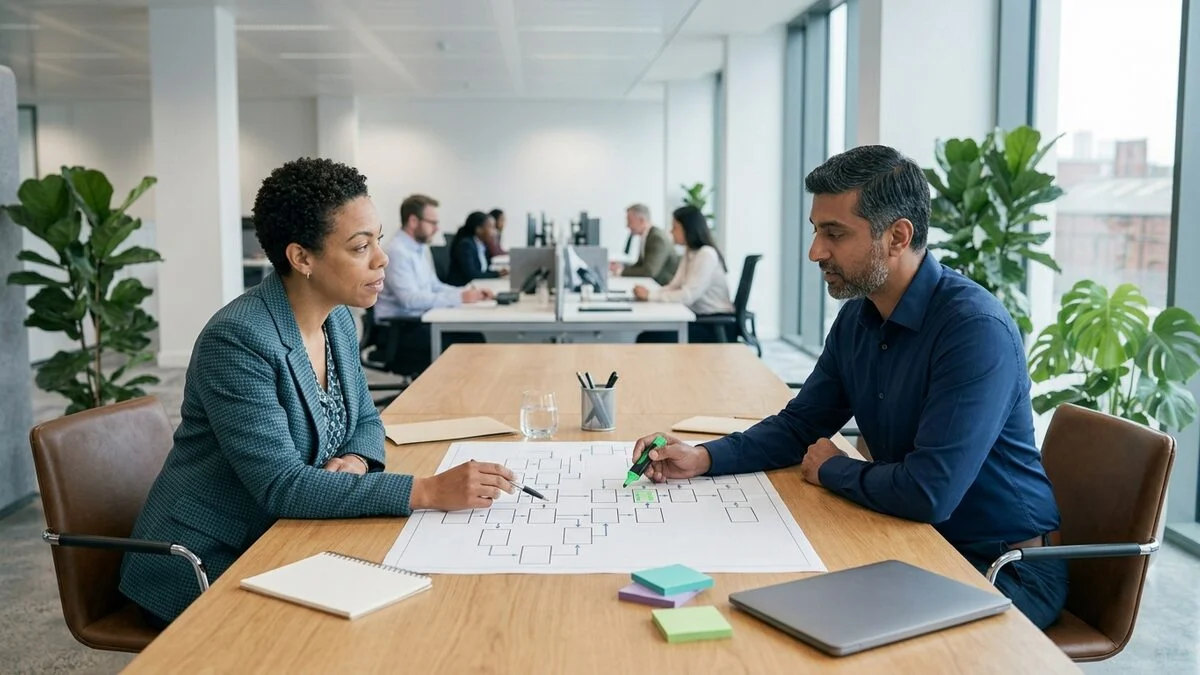
Our method follows the customer. We identify the handful of things customers most need from you and trace how each one is delivered today, team by team and system by system. That shows where the current model adds cost without adding value: duplicated teams, unclear ownership, specialists doing routine work, or a central function that every request must pass through twice.
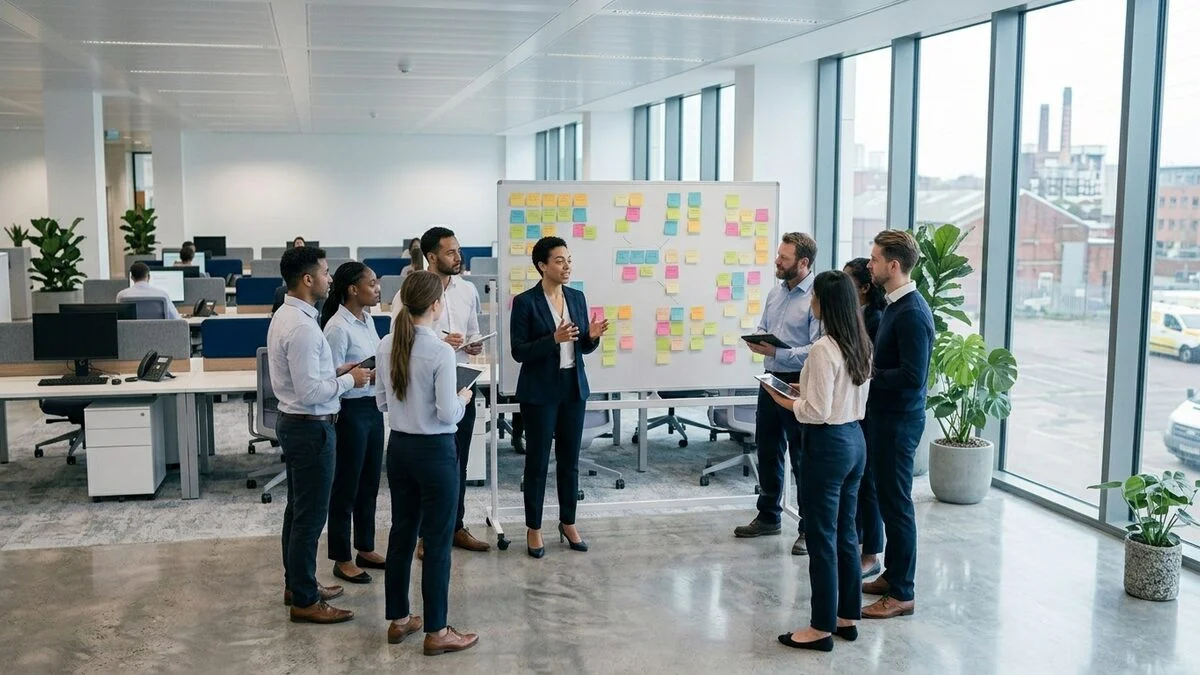
We then design the future model in layers. First the services and the value streams that deliver them; then the organisation, roles and decision rights; then the processes, locations, technology and data that support them. At each layer we test the design against real cases with the people who will work in it. This is where most of the hidden problems appear, and it costs far less to find them on paper than after a restructure.
A typical design phase takes ten to fourteen weeks, followed by a phased transition. Clients usually see 15 to 30 per cent less effort spent on internal handoffs and rework, and clearer accountability for every customer outcome. Because the design is tested before it is built, transition is quicker and calmer than people expect.