Understanding the customer journey at a mutual insurer

Case study
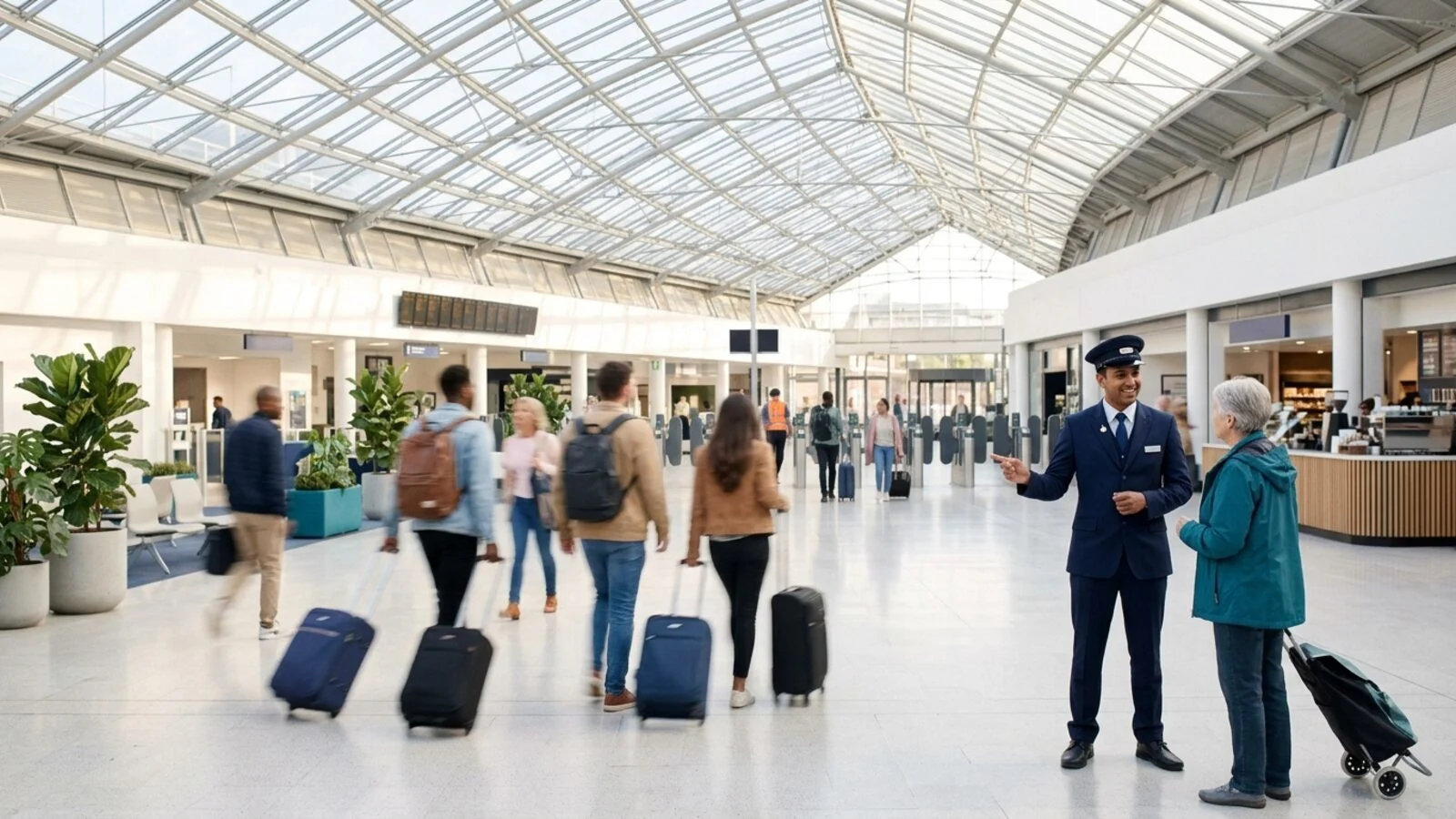
In travel, the service is tested hardest when things go wrong. We help rail, coach, aviation and holiday operators plan for peaks and disruption, simplify refunds and changes, and keep customers informed in the moments when information matters most.
Travel operations swing between quiet weeks and sudden peaks: school holidays, timetable changes, strikes and severe weather. Customers are often on the move, anxious and short of time. When disruption hits, contact can multiply tenfold in a day, and the refunds, rebookings and complaints that follow can take weeks to clear.
We help operators prepare for both the ordinary day and the very bad one. We model demand across channels and seasons, then design staffing, self-service and escalation plans that flex with it. For disruption, we help connect operational control rooms with customer channels, so that information reaches customers, staff and partners at the same time and in the same words. We also redesign the journeys behind refunds, delay compensation and booking changes, which in many operators generate more contact than any other activity.
Technology plays a large part in travel, and our digital team helps operators decide where automation and self-service will reduce work, and where they will only move it. Our sector review on technology in travel operations sets out what we have learned. Clients typically see refund and compensation backlogs cleared in weeks rather than months, a 20 to 30 per cent fall in contact during disruption, and more consistent information across channels.
“When the next storm came, our customers heard about the cancellations from us before they heard about them from the news. That changed the whole tone of the week.”
Customer Experience Director, a UK train operator
Tell us about the peaks, disruption or service challenge you face, and our travel team will be in touch.



White paper
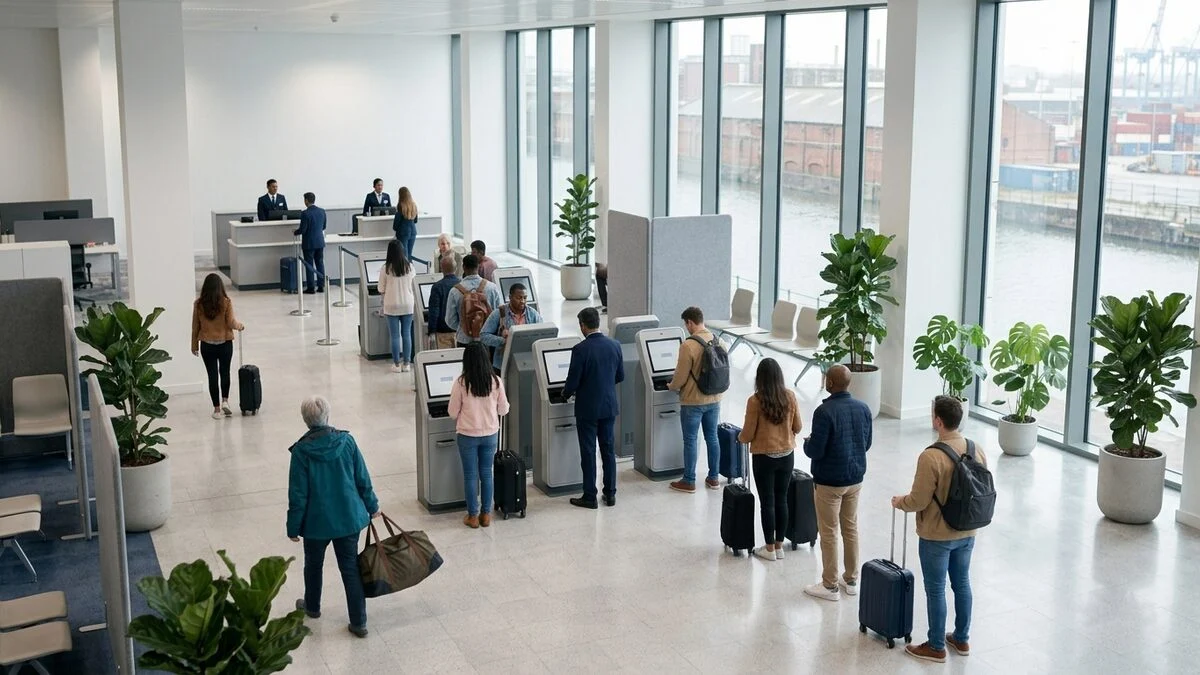
Our sector review asks where automation, self-service and better data have helped travel operators, and where they simply moved the work somewhere else.
Download white paper: Sector review: technology in travel operations
News
Operations and customer leaders spent a day at the Future of Service Conference 2026. Here is what they told us about demand, staffing and the limits of automation.
Read full article: What we heard at the Future of Service Conference 2026
In brief
Most operations plan for the staff they have. Plan instead for the demand that arrives, and you will often find you need less capacity than you thought.
Read full article: Start with demand, not capacity